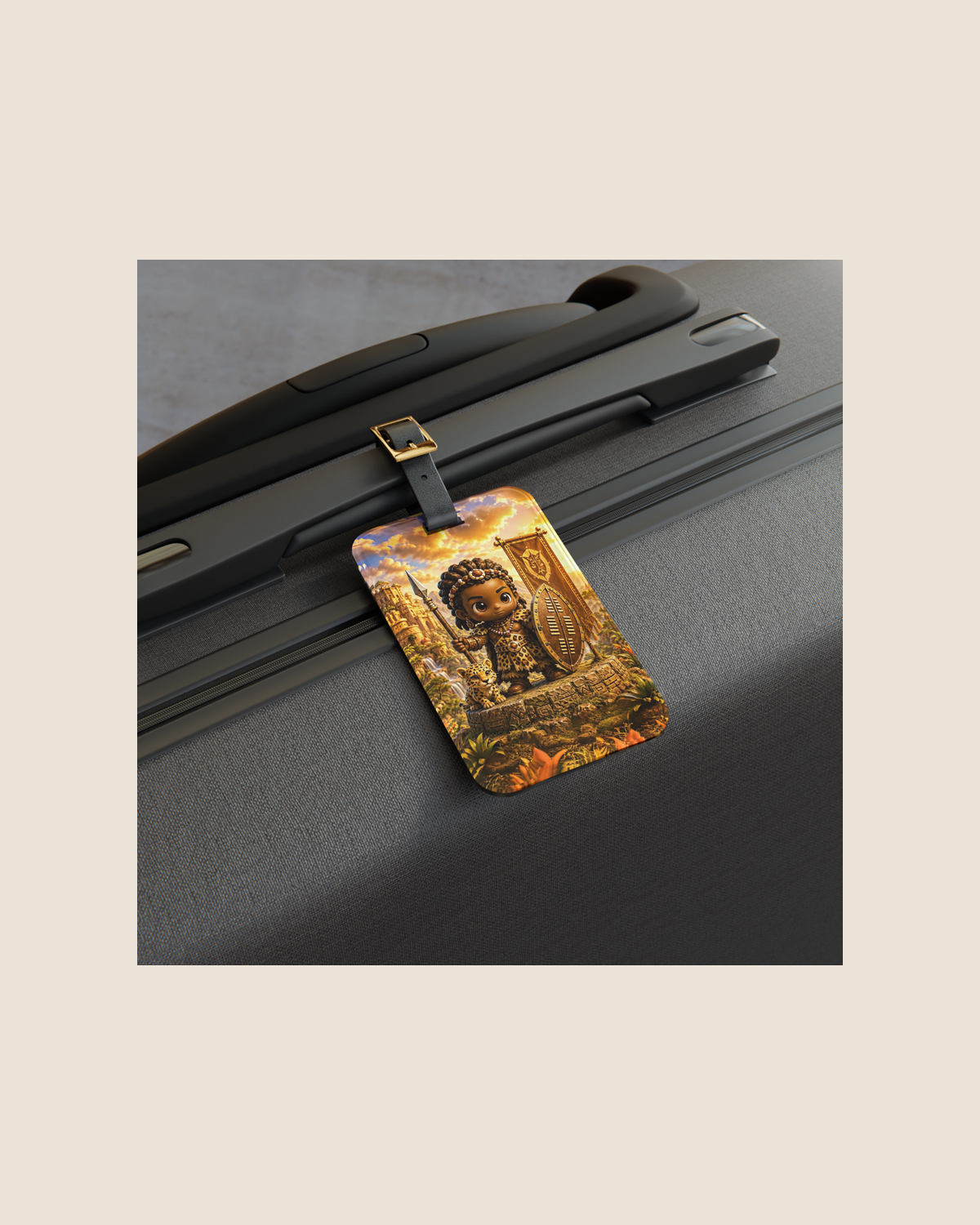
Join the global movement. First order ships with a spirit card.
Back to Gallery
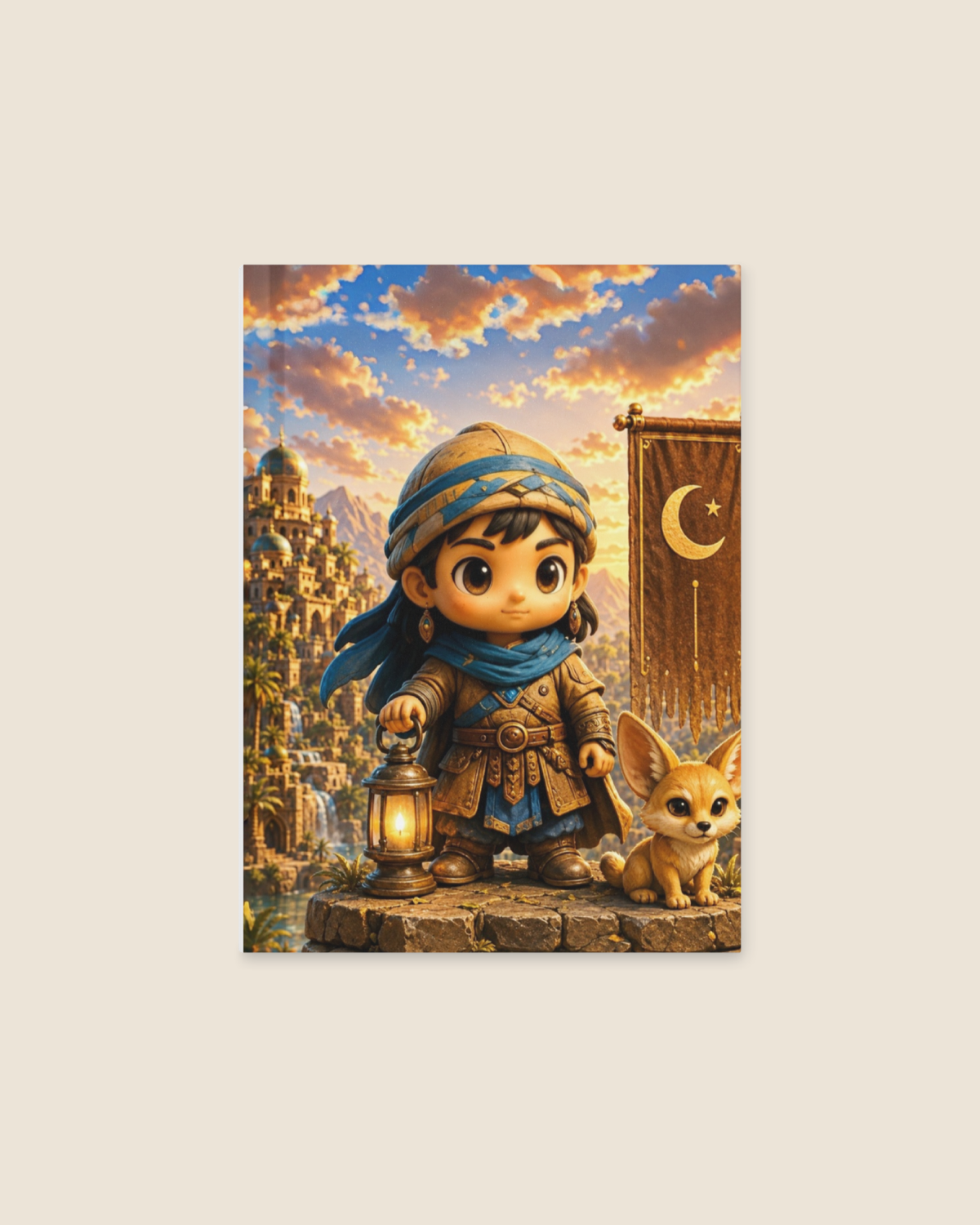
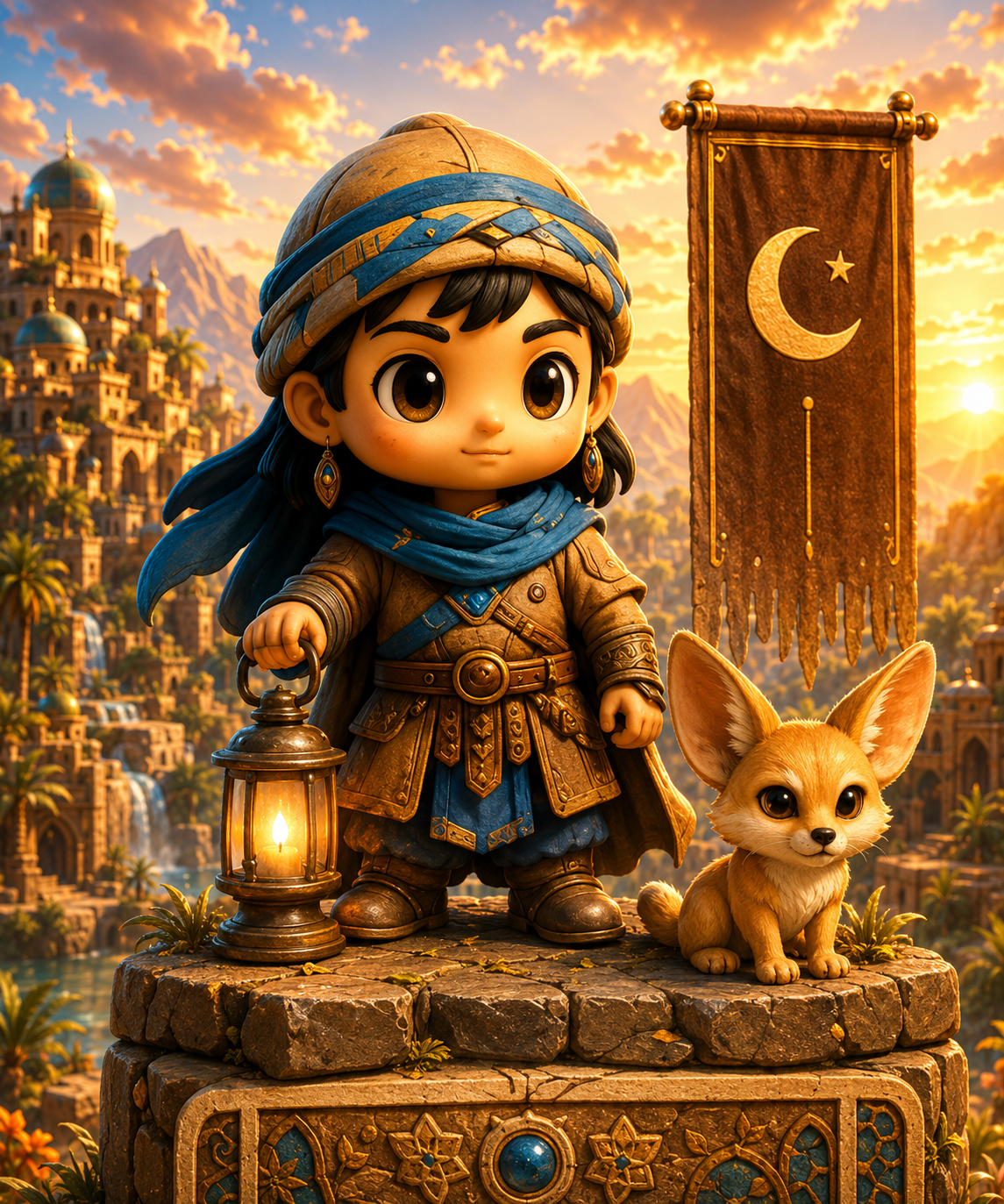
NAHIR — Nomad

Nomad

NAHIR

The Desert · THE WANDERER

He does not search for home. He carries it — so the world remembers that the journey is also a destination.

The Spirit

The Wanderer

NAHIR is the warrior who belongs to the road. In the Terracotta Warriors universe, he is not a fugitive from belonging — he is the nomad who understands that some peoples measure wealth in water, sky, and the ability to leave before the land turns cruel.

The Wanderer carries freedom without irresponsibility and solitude without loneliness. He believes that movement can be sacred — that to walk is to think, to trade is to connect, and to sleep under unfamiliar stars is to remember how large the world is.

When you walk with NAHIR, you are not refusing commitment. You are learning a different grammar for it — loyalty that travels, promise that adapts, home as skill rather than address.

The Civilization

The Nomad — Life Between Horizons

Across deserts from Arabia to the Sahara, nomadic cultures built civilizations without permanent capitals — economies of caravan, tent, oasis, and the profound knowledge of where water hides. To settle was not everyone's destiny. For many, survival was rhythm: move, graze, trade, rest, move again.

Nomads were often misunderstood by empires obsessed with walls. Yet they shaped history through routes, languages, and the constant pressure of mobility on sedentary power. They carried news, goods, and ideas across distances that would break a city mind.

Bedouin hospitality, Berber resilience, desert poetry, and the austere theology born under open sky — all testify to a human answer to scarcity: become fluent in change. NAHIR carries that memory — dignity without permanence, strength without accumulation.

The Camel

Patience with weight — survival across impossible distances

The Tent

Shelter that yields — home without claiming the land

The Oasis

Mercy in the map — rest as revelation

The Desert Star

Navigation by light — orientation when landmarks vanish

From the Archive

Stories of the Wanderer

Essays on the spirit, the civilization, and what it means to carry NAHIR into the modern world.

The Spirit3 min read

Who Is NAHIR?

The Wanderer is not lost. He is between arrivals — and that is a holy place.

Among the twelve spirits, NAHIR answers the question sedentary cultures ask with suspicion: can a life without fixed walls still be complete?

In our mythology, NAHIR rose from the age when desert peoples learned to treat distance as homeland. He is the embodiment of the guide-trader-poet — a warrior whose battles are often against thirst, heat, and the temptation to stop growing. He does not wander because he has nowhere to love. He wanders because love, for him, includes horizon.

You will not find NAHIR romanticizing poverty or chaos. His strength is economy — few possessions, deep knowledge, hospitality offered because the next oasis may depend on someone else's fire.

Collectors are drawn to NAHIR when they are between chapters — immigration, career change, recovery, reinvention. He is the spirit for people who need dignity in transition, not only in arrival.
The Civilization4 min read

The Caravan Road

How deserts became highways for faith, spice, and survival.

Nomadic history is easy to erase because it leaves fewer stones. But the desert was never empty — it was a sea with its own ports: oases, crossings, seasonal pastures, and the unwritten law that travelers share water.

Caravans linked continents long before modern shipping. Salt, gold, incense, silk, and scripture traveled on backs and hooves, carried by people who understood terrain as scripture. Empires taxed them, saints learned from them, and poets sang of them as the true citizens of distance.

Desert cultures produced some of humanity's most severe and generous ethics — hospitality as survival, speech as craft, pride without clutter. To insult a guest was not bad manners. It was existential risk in a world where the next well might belong to a stranger you would meet again.

That is why NAHIR belongs to the nomad world in our universe. He is the warrior spirit of the road — of reading stars, sharing fire, and refusing to mistake stillness for safety when the season demands motion.

Today3 min read

Why the Wanderer Matters Today

In an age obsessed with settling down, NAHIR is a reminder that transition can be a calling.

Modern life often treats movement as failure — the gap year apologized for, the job change explained away, the immigrant story reduced to arrival alone. NAHIR honors the middle. He knows that some truths only appear en route.

To carry the Wanderer is to respect your own seasons of motion. Pack light emotionally. Learn from strangers. Keep your rituals portable. Build identity that does not shatter when the address changes.

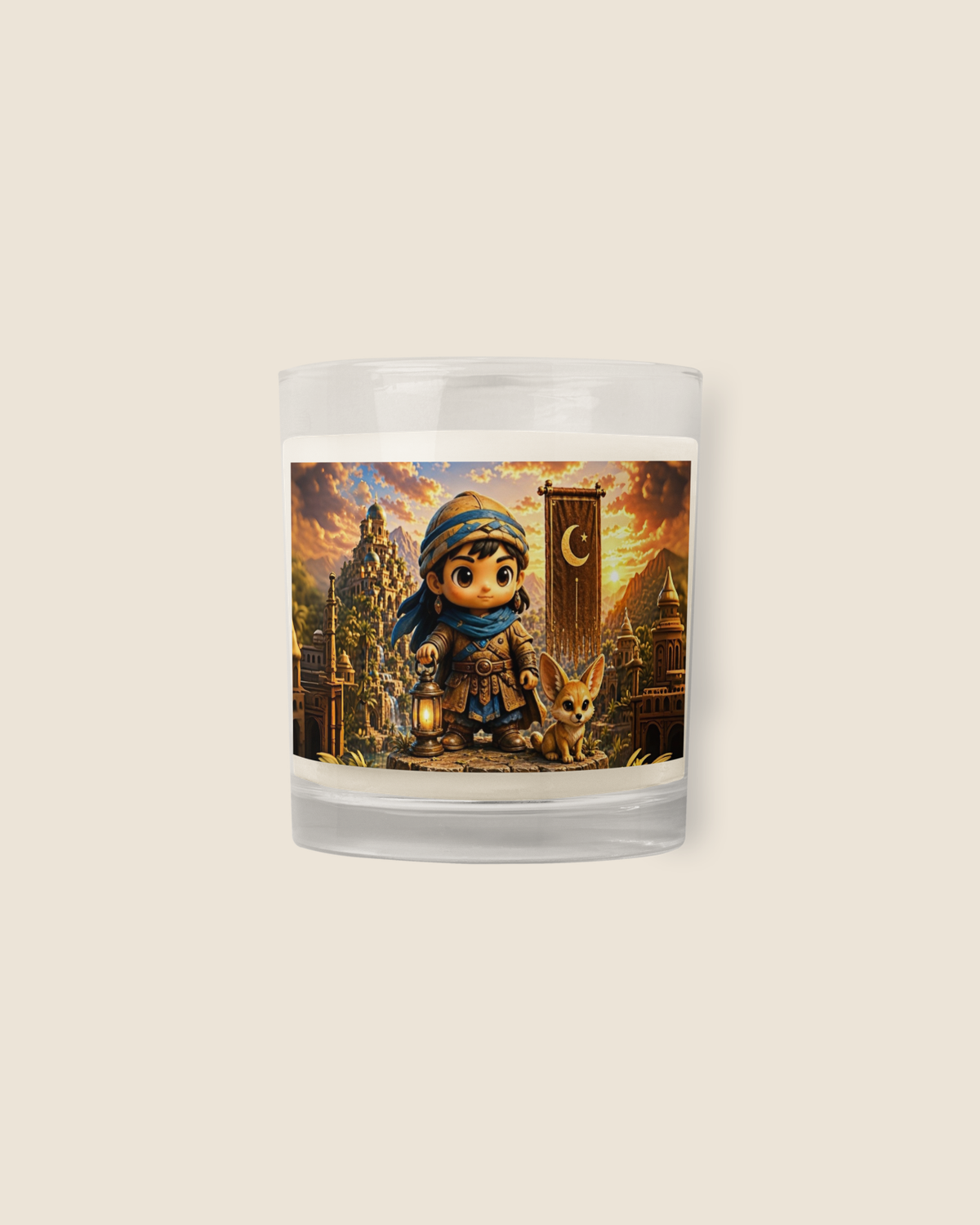
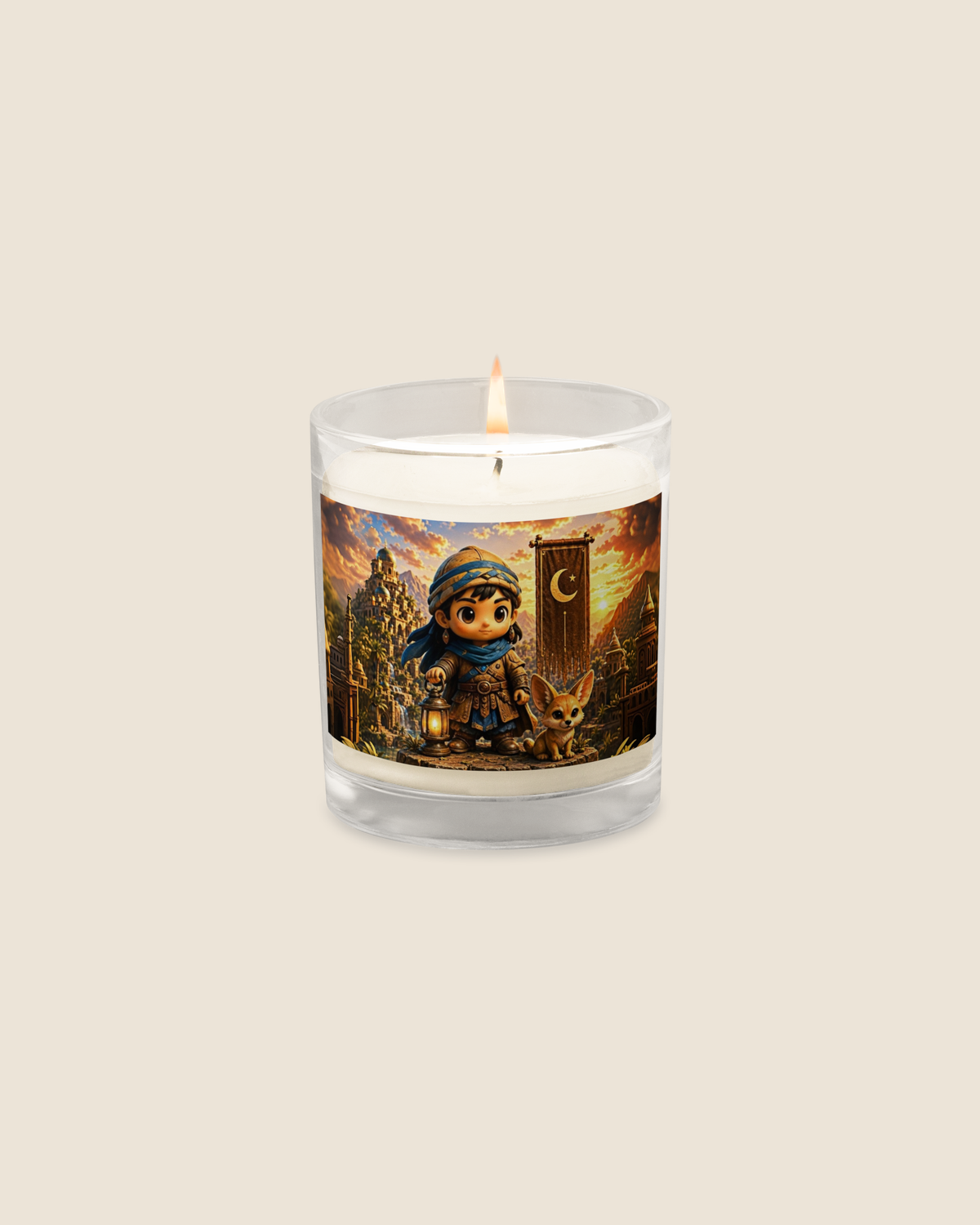
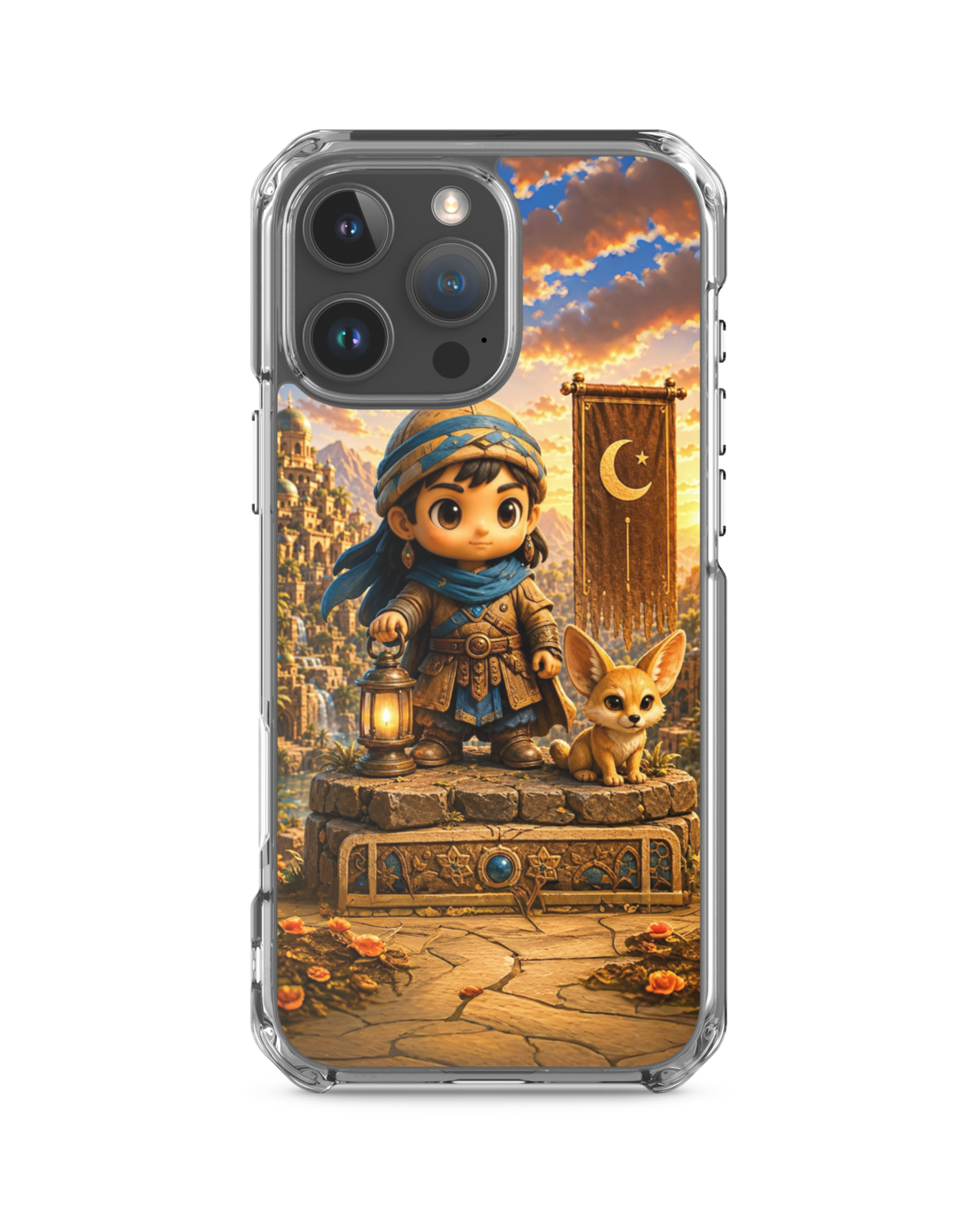
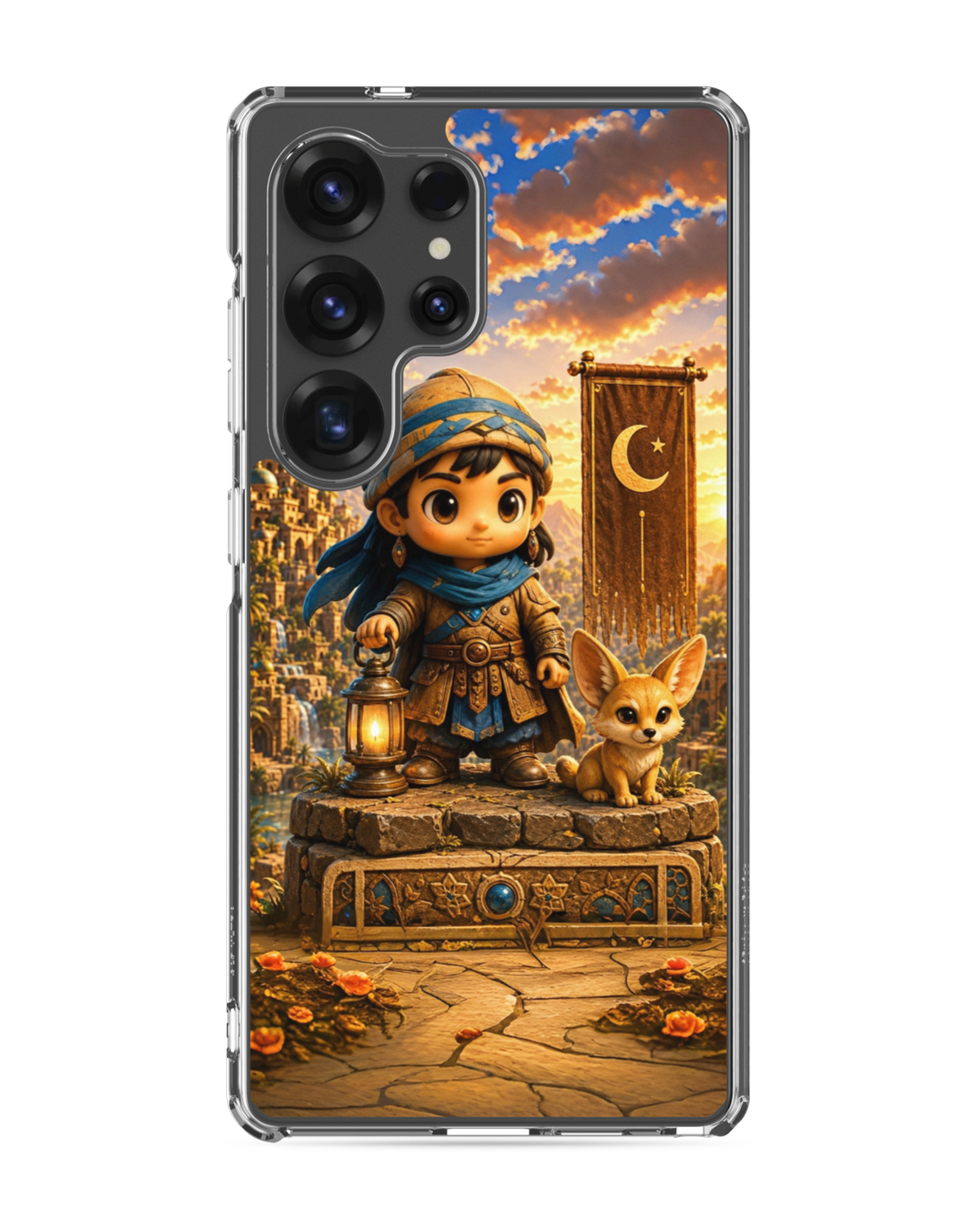
When you choose NAHIR on a phone case, a journal, or a candle at your desk, you are blessing the life you are still becoming — not the one you have already explained to others.

The Wanderer does not ask you to avoid roots. He asks you to stop shaming yourself for needing sky — and to trust that a person can be faithful while still in motion.

The Collection

Bring NAHIR Home

Objects from the NAHIR line are designed to travel with you — daily reminders of freedom, transition, and the dignity of the open road.

5 products